
The inaugural public conference of Annamalai’s We the Leaders Foundation (WTLF), themed ‘Drug-Free Tamil Nadu’, was held in Pollachi on Sunday. During the event, Annamalai unveiled a statewide anti-drug awareness campaign, environmental initiatives, and a leadership development programme aimed at driving social change across Tamil Nadu.
Coimbatore: Annamalai’s ‘We the Leaders Foundation’ Holds Debut Public Conference in Pollachi; Launches Statewide Anti-Drug Drive.
The inaugural public conference of Annamalai’s We the Leaders Foundation (WTLF), themed ‘Drug-Free Tamil Nadu’, was held in Pollachi on Sunday. During the event, Annamalai announced the foundation’s social initiatives and, for the first time since leaving the BJP, publicly explained the reasons behind his exit.
content: Pollachi: The inaugural public conference of Annamalai’s We the Leaders Foundation (WTLF), themed ‘Drug-Free Tamil Nadu’, was held in Pollachi on Sunday, drawing participants from across Tamil Nadu.
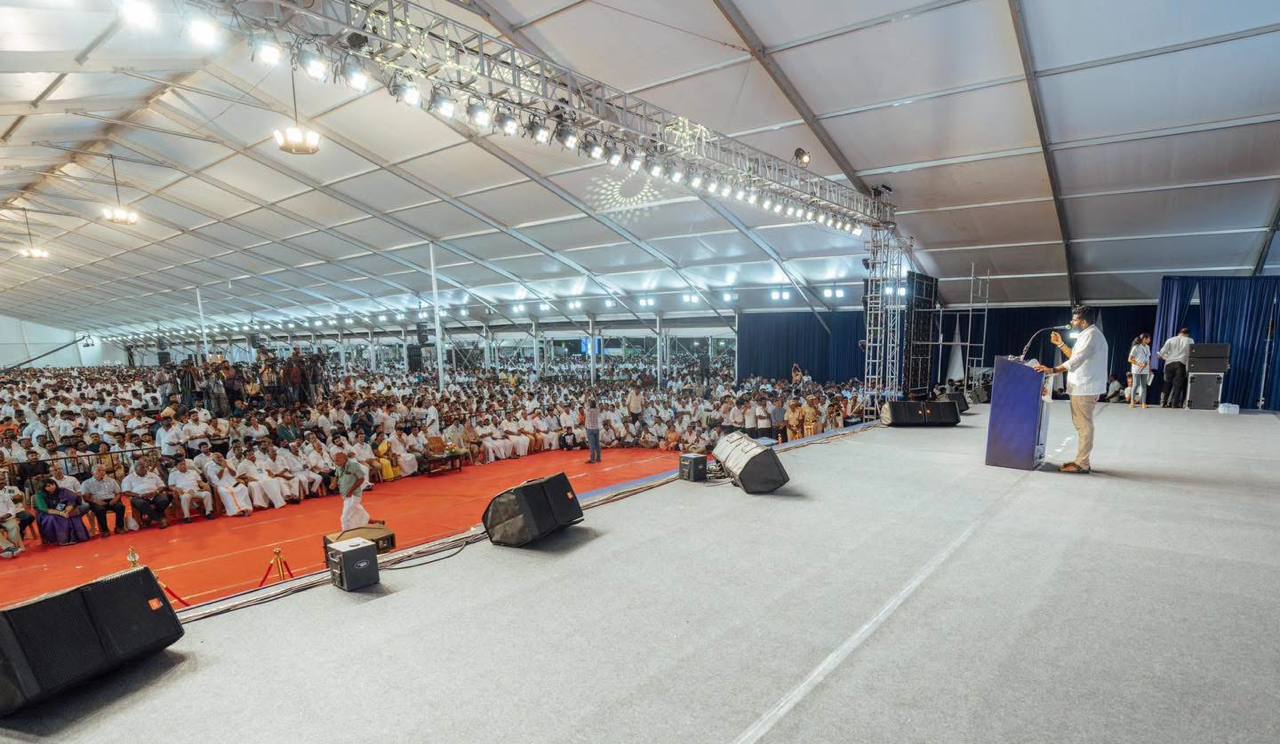
Addressing the gathering, Annamalai thanked the thousands of We the Leaders members, children, women, youth and volunteers who attended the event from different parts of the State. He said women constitute 17% of the movement’s members, calling it a reflection of the public’s trust in social transformation.
Stressing the need for uncompromising action against the drug menace, Annamalai said eliminating drug abuse requires eradicating the demand for narcotics and described the fight against drugs as a collective social responsibility of every family and citizen, rather than the government alone.
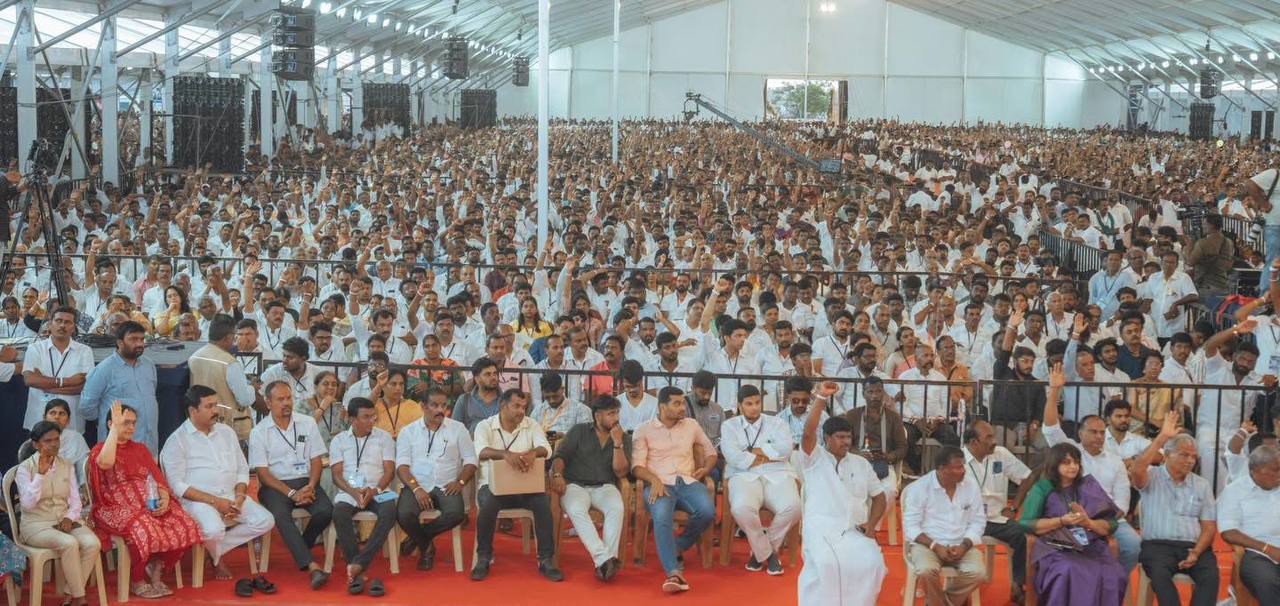
He announced that July would be observed every year as “Drug Awareness Month”, with July 2026 being marked as “White Band Month”, and said the awareness campaign would be taken to every home, street, village, residential area and educational institution across Tamil Nadu.
Outlining the foundation’s future initiatives, Annamalai announced that August would be observed as “Environment Protection Month”, during which the organisation plans to plant 50 lakh saplings across Tamil Nadu. He also announced that the A.P.J. Abdul Kalam Centre for Ethics and Politics would be launched on October 15, 2026, with the objective of training 1.5 lakh leaders over the next year.
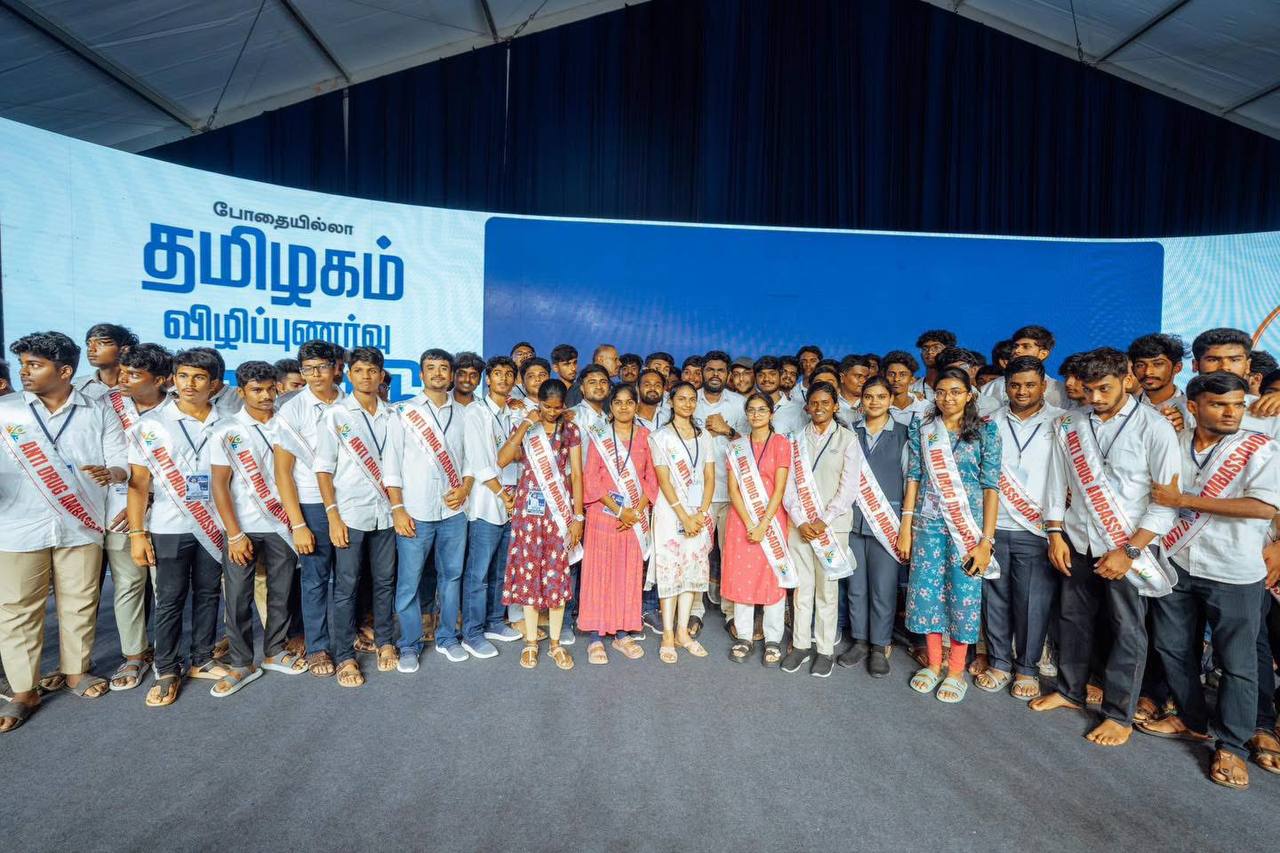
He said the We the Leaders movement would work with the public over the next six months to address key social issues and would seek to hold the ruling government accountable through constructive criticism while keeping public welfare as its primary objective. He added that meaningful change begins when every citizen accepts the responsibility of leadership and called for collective efforts towards building a safe, drug-free, green and progressive Tamil Nadu.
Speaking about his departure from the BJP for the first time since resigning, Annamalai said he chose a different path to serve the people and did not wish to criticise his former party after stepping down. He described himself as both a nationalist and a Hindu, but said religion and caste should remain personal and should not determine how one treats others in public life.
Annamalai also said he had been branded “anti-Hindu” by some sections for welcoming the Tamilaga Vettri Kazhagam (TVK) government’s decision to grant pattas to residents occupying certain Inam lands in Karur. He argued that supporting a measure benefiting long-time residents did not amount to being against Hindus, and maintained that temple lands and Inam lands should not be equated.
The inaugural public conference of Annamalai’s We the Leaders Foundation (WTLF), themed ‘Drug-Free Tamil Nadu’, was held in Pollachi on Sunday. During the event, Annamalai announced the foundation’s social initiatives and, for the first time since leaving the BJP, publicly explained the reasons behind his exit.
content: Pollachi: The inaugural public conference of Annamalai’s We the Leaders Foundation (WTLF), themed ‘Drug-Free Tamil Nadu’, was held in Pollachi on Sunday, drawing participants from across Tamil Nadu.
Addressing the gathering, Annamalai thanked the thousands of We the Leaders members, children, women, youth and volunteers who attended the event from different parts of the State. He said women constitute 17% of the movement’s members, calling it a reflection of the public’s trust in social transformation.
Stressing the need for uncompromising action against the drug menace, Annamalai said eliminating drug abuse requires eradicating the demand for narcotics and described the fight against drugs as a collective social responsibility of every family and citizen, rather than the government alone.
He announced that July would be observed every year as “Drug Awareness Month”, with July 2026 being marked as “White Band Month”, and said the awareness campaign would be taken to every home, street, village, residential area and educational institution across Tamil Nadu.
Outlining the foundation’s future initiatives, Annamalai announced that August would be observed as “Environment Protection Month”, during which the organisation plans to plant 50 lakh saplings across Tamil Nadu. He also announced that the A.P.J. Abdul Kalam Centre for Ethics and Politics would be launched on October 15, 2026, with the objective of training 1.5 lakh leaders over the next year.
He said the We the Leaders movement would work with the public over the next six months to address key social issues and would seek to hold the ruling government accountable through constructive criticism while keeping public welfare as its primary objective. He added that meaningful change begins when every citizen accepts the responsibility of leadership and called for collective efforts towards building a safe, drug-free, green and progressive Tamil Nadu.
Speaking about his departure from the BJP for the first time since resigning, Annamalai said he chose a different path to serve the people and did not wish to criticise his former party after stepping down. He described himself as both a nationalist and a Hindu, but said religion and caste should remain personal and should not determine how one treats others in public life.
Annamalai also said he had been branded “anti-Hindu” by some sections for welcoming the Tamilaga Vettri Kazhagam (TVK) government’s decision to grant pattas to residents occupying certain Inam lands in Karur. He argued that supporting a measure benefiting long-time residents did not amount to being against Hindus, and maintained that temple lands and Inam lands should not be equated.