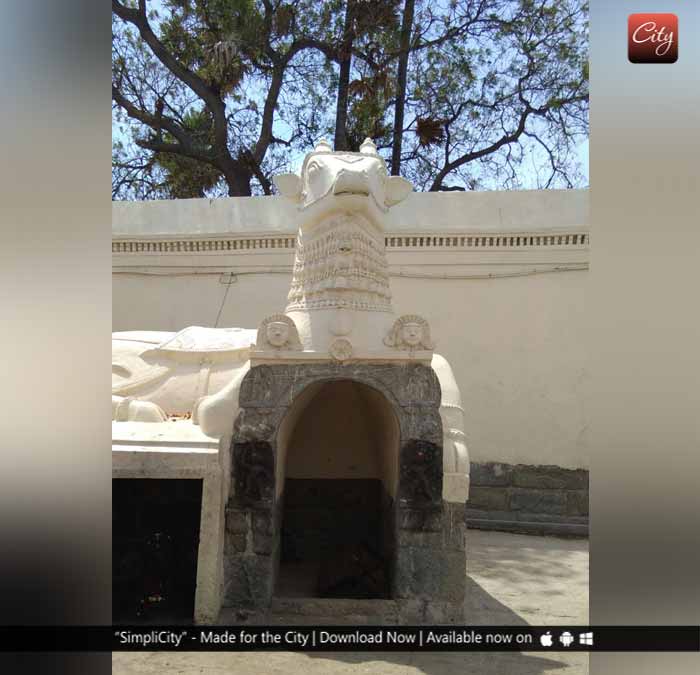
Kongunad was divided into 24 sub divisions from time immemorial. Vadaparisaranadu is one of the sub divisions and it is located on the terrain which is found between the northern side of River Noyyal and the southern side of River Bhavani. The famous temple at Thirumuruganpoondi is located on the hub of this ancient Vadaparisaranadu. Its at a distance of about 40 kilometres from Coimbatore and this ancient temple is maintained by the Archeological Survey of India.
Long ago, there lived 63 famous Apostles of Lord Shiva who were known as Nayanmaars. These Nayanmaars used to visit a number of temples of Lord Shiva and sing devotional hymns in his praise. These hymns known as Devaram have been rendered in 274 temples all over India and 2 temples in Sri Lanka and together they have been known as Thirumurai Sthalams or Paadal Petra Sthalams. The Kongu region is fortunate to host 7 of these temples and they are collectively known as Kongu Ezhu Paadal Petra Sthalams. The temples at Avinashi and Thirumuruganpoondi are the closest among these temples for the citizens of Coimbatore.
Thrirumuruganpoondi on the outskirts of Avinashi and Tirupur has a number stories associated with it. Once upon a time Soorapadma and his horde of demons caused difficulties to one and all. On the request of the Devas, Lord Shiva sent Lord Subramanya and Veerabahu in order to destroy Soorapadma and his retinue. The mission was successfully accomplished by Lord Subramanya, however he was afflicted with the mortal sin of mass killing. Therefore he repaired to Kandapuri or Thirumuruganpoondi and installed a Shivalingam , conducted prayers after meditating on the Lord in order to rid himself of 'Brahmahatti' dosham. Thereafter people afflicted with psychological disorders and black magic have been visiting Thirumuruganpoondi and offering their prayers for 48 days after bathing in the holy waters present in the premises. The cures caused due to the grace of Lord Shiva known as Lord Muruganathaswamy made the temple quite popular. Goddess Parvathi refused to visit this hoary location for she was annoyed by Lord Subramanya and therefore, Lord Shiva caused a deluge which began to submerge his own icon. On seeing effects of the deluge, Goddess Parvathi came down and hugged the icon of Lord Muruganathaswamy in order to ensure that it was not submerged.Hence she came to be known as Goddess Alingabhushanasthanambikai. The great sages Agastya,Markandeya and Durvasa have visited Vadaparisaranadu and offered their prayers here.
Centuries passed and Tamilnadu witnessed the literary traditions which came up due to the renditions of the saintly Nayanmaars. The author of 'Thiruthondar thugai' which identifies the 63 of them, Sundaramurthy was returning from the palace of Cheraman Peruman after receiving a lot of contributions in the form of valuables. The Lord at Thirumuruganpoondi wanted the great saint to sing in his praise and therefore directed his bhootaganas to disguise themselves as hunters and rob Sundaramurthy of his valuables. On loosing his valuables, a distraught saint prayed to the Lord where in he stated that Lords' presence was a mockery and finally a pleased Lord Muruganathaswamy got the valuables returned instantly. Immediately Sundaramurthy rendered nectarine compositions at the temple itself. Thanks to these renditions, Thirumuruganpoondi came to included in the list of Paadal Petra Sthalams. Its interesting to note that the temple dancers of this place were granted the right to sing verses from the Devaram within the sanctum itself. This small town is also a famous stone sculpting centre and the Crafts Council of Tamilnadu has in fact studied the work of the artisans.
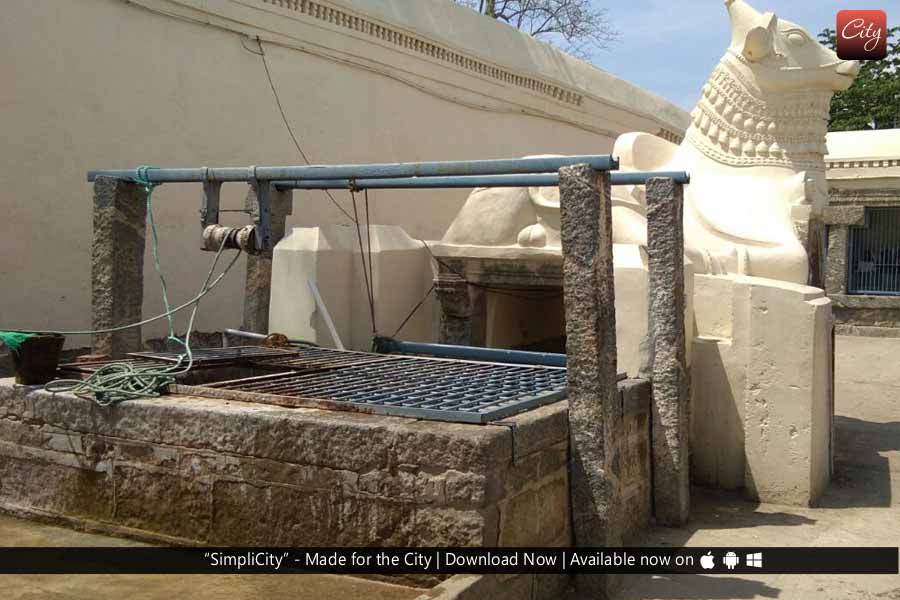
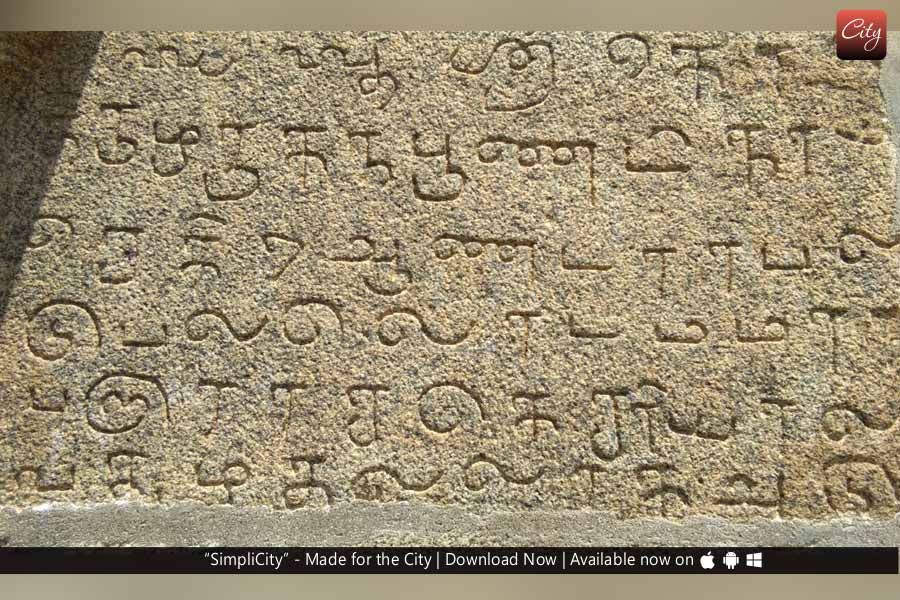
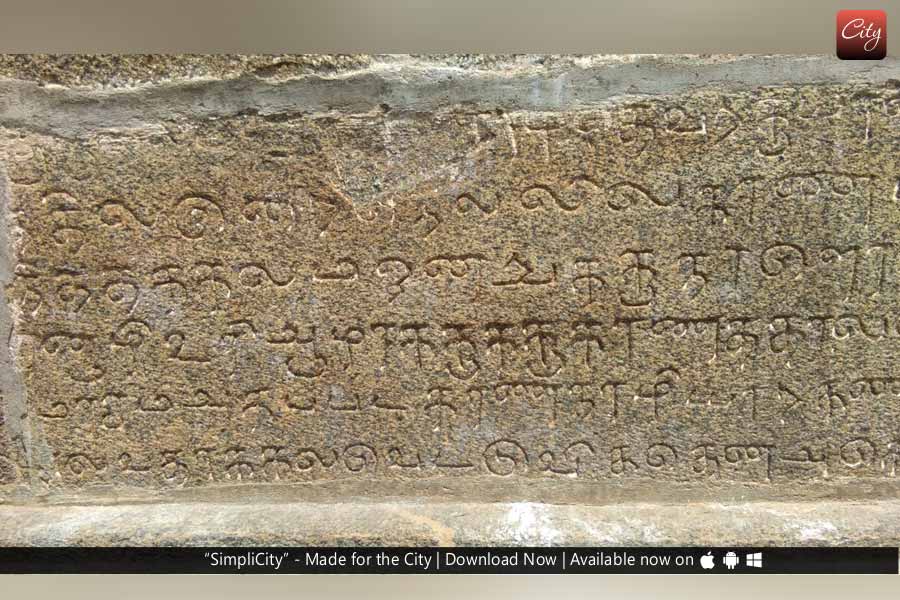
The lovely temple at Thirumuruganpoondi was blessed with seven holy waters or theerthams which included Mahamaga Theertham, Durvasa Theertham, Agni Theertham, Indra Theertham, Brahmatheertham, Gnana Theertham and Subramanya Theertham among which the last three continue to exist. A number of lovely icons, sculptures and inscriptions are found inside this temple. The inscriptions from the eleventh century belonging to the period of Vikrama Chola who belonged to the Kongu Chola dynasty are found in good numbers.
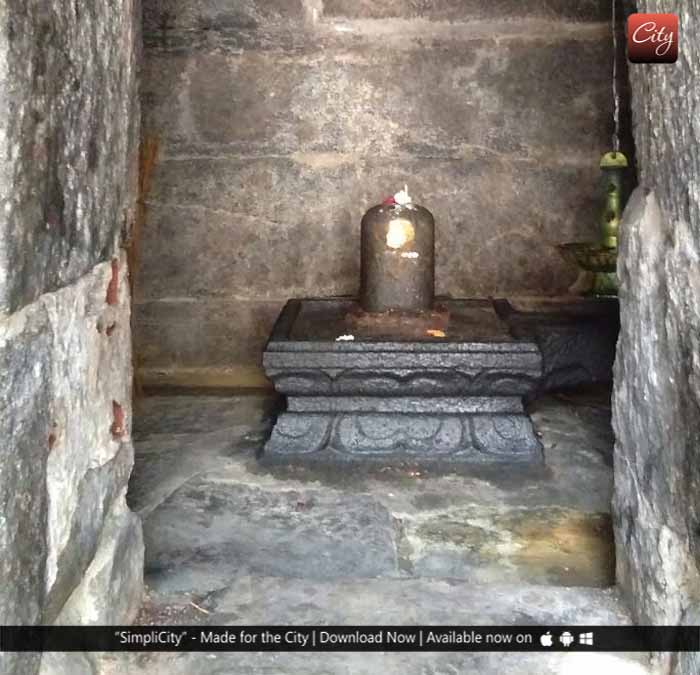
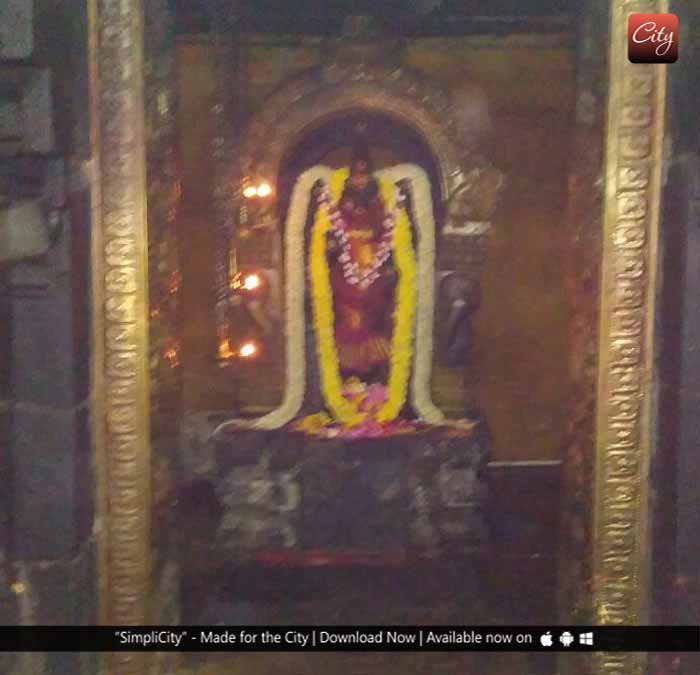
The premises has a shrine for the six faced Lord Subramanya who is seated on a peacock while in the company of his consorts Valli and Devasena. A tiny Shivalingam which stands as proof to the story behind the origin of this temple is found in the shrine housing Lord Subramanya whose sixth face is placed behind the five faces which are visible from the front. Besides the main shrines dedicated to Lord Muruganathaswamy, Goddess Alingabhushanasthanambikai and Lord Nataraja, there are shrines dedicated to Dakshinamurthy, Ashabhuja Bhairava with his dog representing the Vedas, Chandikeshwara, Shani, Navagrahas, Panchabhootasthala lingams, the 63 Nayanmaars, Bhavaneeshwarar, Ganesha and the lovely Balasubramhanya who happens to be the family deity of the priests offering their services at this temple. Lord Balasubramanya looks cute and lovely in his turmeric alankaram. There exists a shrine for Mariamman and also a Ganesha under the Peepal tree just outside the main temple. The Ketu Sthalam of this region is located adjacent to this temple.
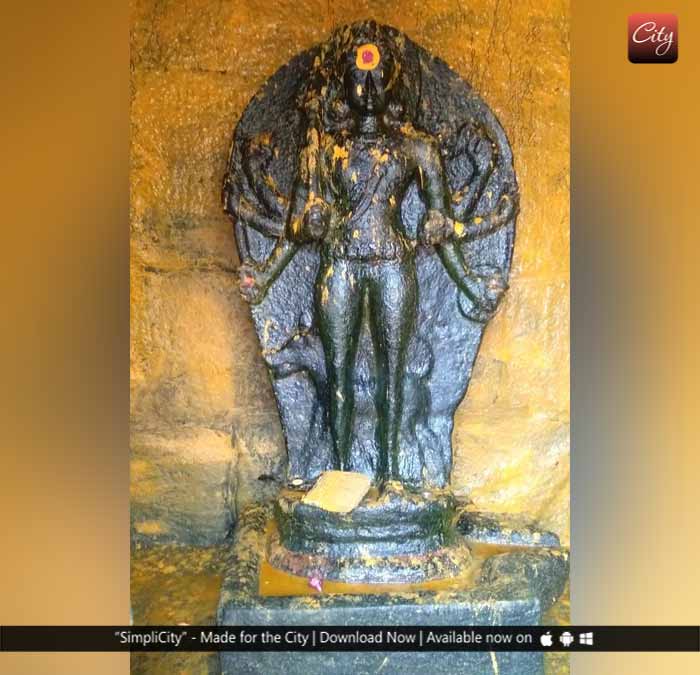
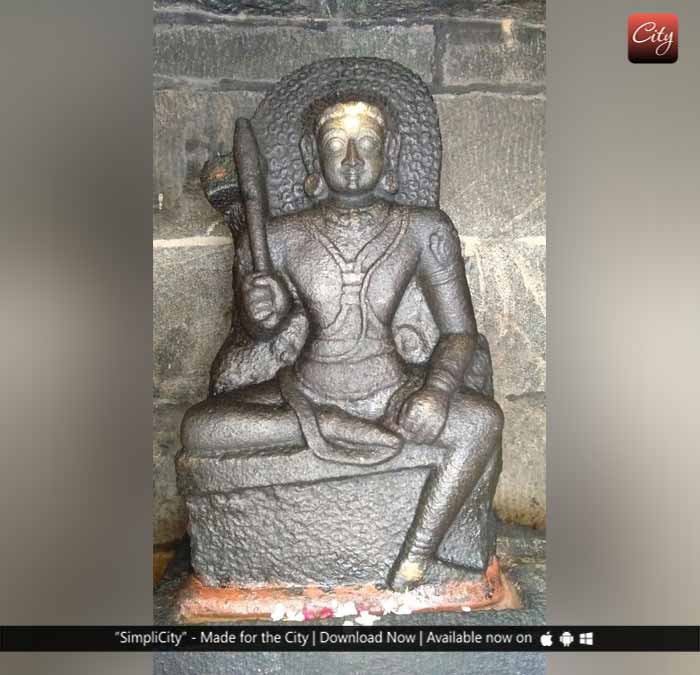
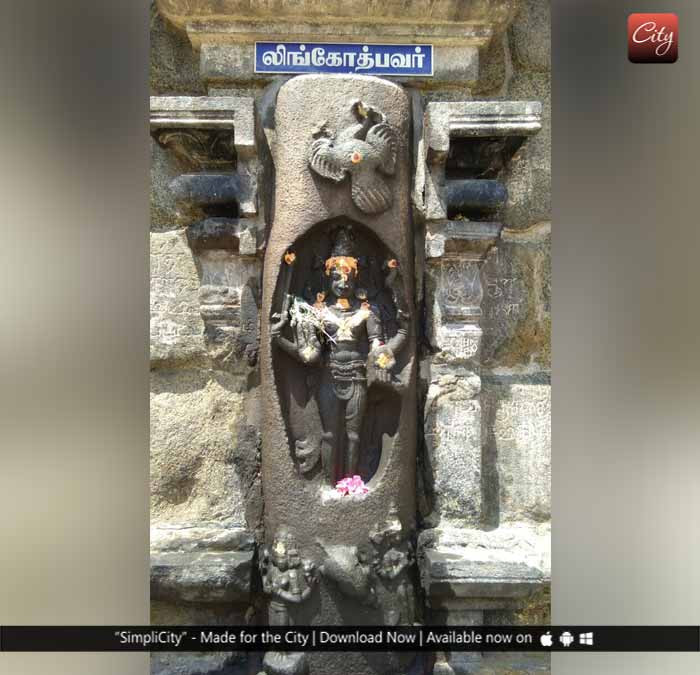
The lovely temple is full of granite pillars and there are wonderful sculptures depicting stories from the Periya Puranam which is also known as the Thiruthondar Puranam. There are wonderful icons of Sundaramurthy Nayanaar which depict his moods before the burgling and after the restoration of valuables done at the behest of Lord Muruganathaswamy. The sculpture depicting the story of Lingodhbhava is simply fabulous. Brahma is depicted as the swan and Vishnu as Varaha in this sculpture which is located right behind the sanctum. The most important festival in this temple is celebrated for 11 days during the Tamil month of Maasi.
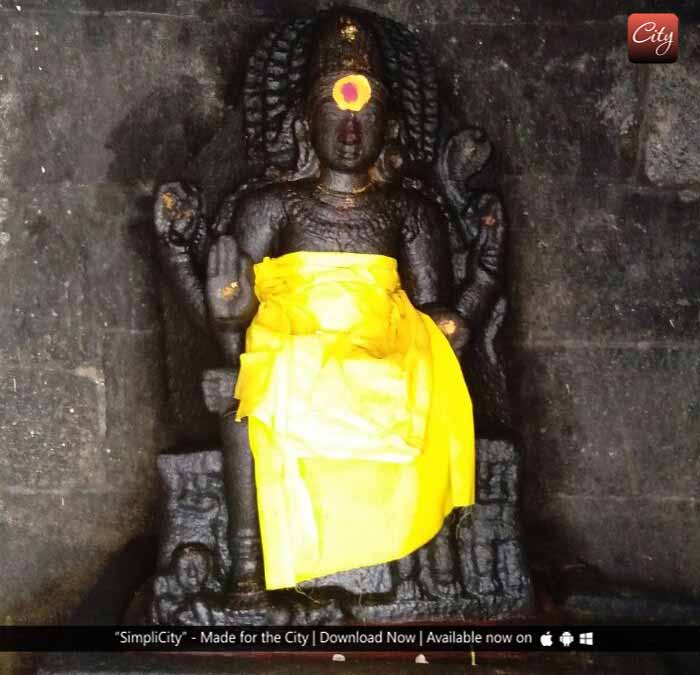
The historic temple at Thirumuruganpoondi in the Coimbatore region is a place for prayers and tourism alike.